Restless Leg Syndrome
Restless Leg Syndrome (RLS) can make it nearly impossible to relax, but the true cause might surprise you.
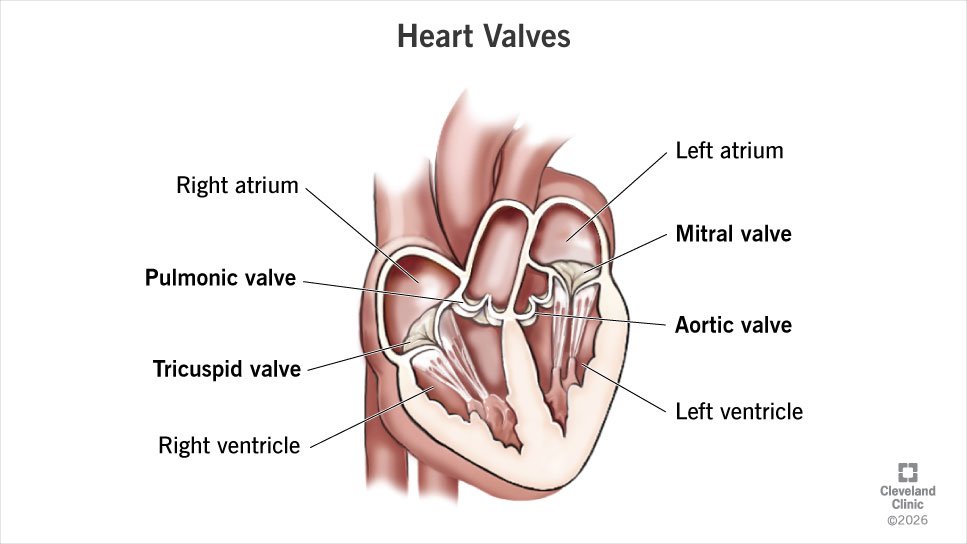
Many people do not realize that Restless Leg Syndrome is frequently linked directly to underlying venous insufficiency (vein disease). When diseased vein valves allow blood to pool in your legs, it can trigger nerve irritation, leading to that constant, uncomfortable urge to move.

How does vein disease trigger RLS?
In healthy legs, blood flows back up to the heart. When vein valves fail, deoxygenated blood pools in the lower legs. This pooling traps metabolic waste products, such as lactic acid, inside the tissues.
As waste builds up during periods of inactivity (like sitting or sleeping), it starves the leg nerves of fresh, oxygenated blood. The irritated nerves send distress signals to the brain, manifesting as that crawling, aching, or pulling sensation.
Who Suffers From Restless Legs?
While RLS can affect anyone, individuals with chronic venous insufficiency find their symptoms peaking at night. Moving your legs activates the calf-muscle pump, temporarily clearing the pooled blood and offering brief relief.

Vein-Related RLS Signs
- Varicose veins
- Evening leg swelling
- Chronic leg heaviness
- Relieved by elevation
Symptoms & Sensation Types
Patients describe a wide range of odd, deep-tissue leg sensations that make resting difficult, particularly at bedtime.
Do Your Self Assessment
Takes less than a minute – take the first step to healthier legs!
Start Assessment Now